
How we live along the Seibu Line
MAKING OF NOSE ISEO ON OKAYAMA
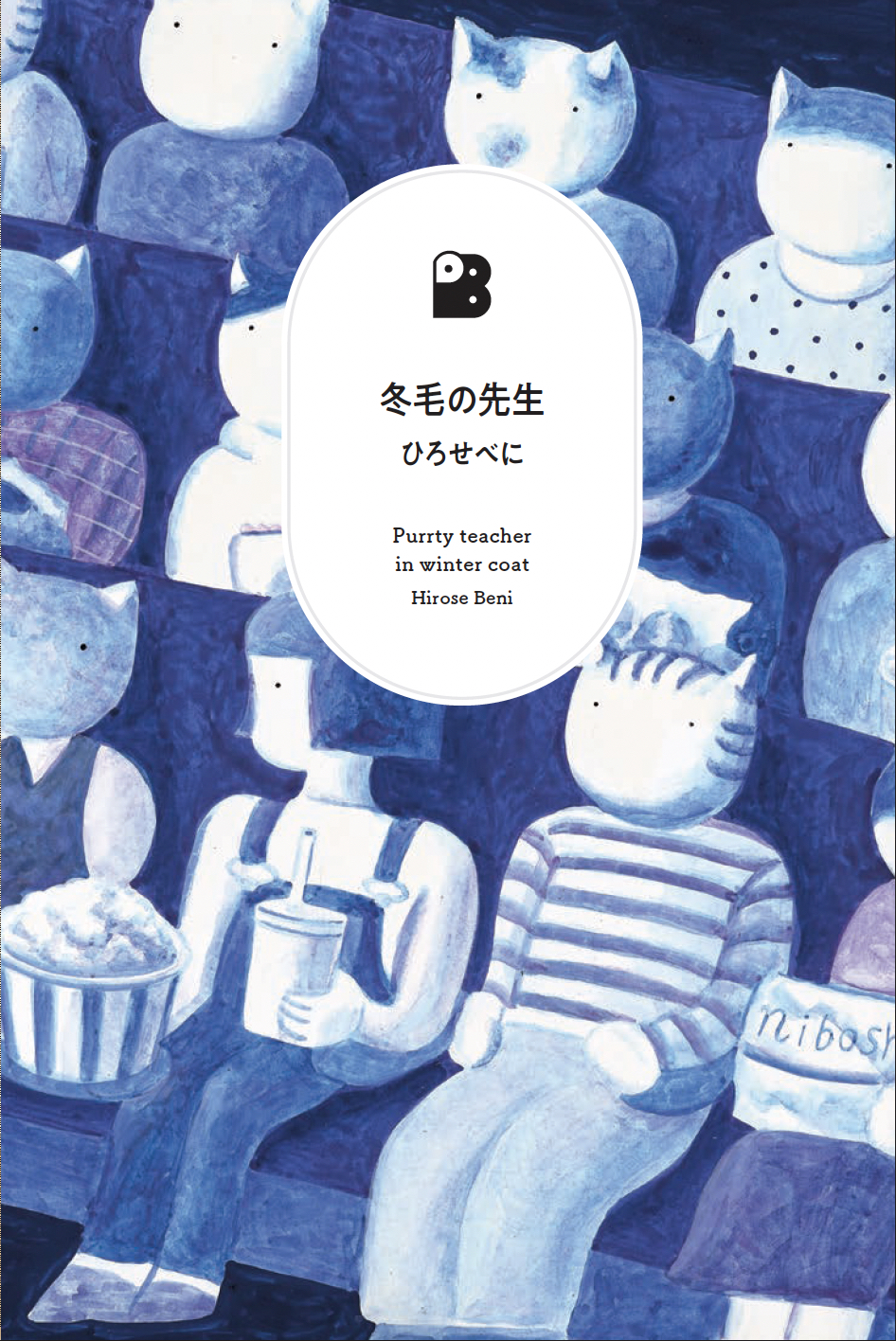
Purrty teacher in winter coat
This book brings together humorous phrases and illustrations born out of humble everyday scenarios and presents them in the style of karuta, a traditional Japanese game involving matching cards printed with verses, with those showing pictures. Enjoy the wonderful paintings of Kyoto artist Hirose Beni, accompanied by text in both Japanese and English.
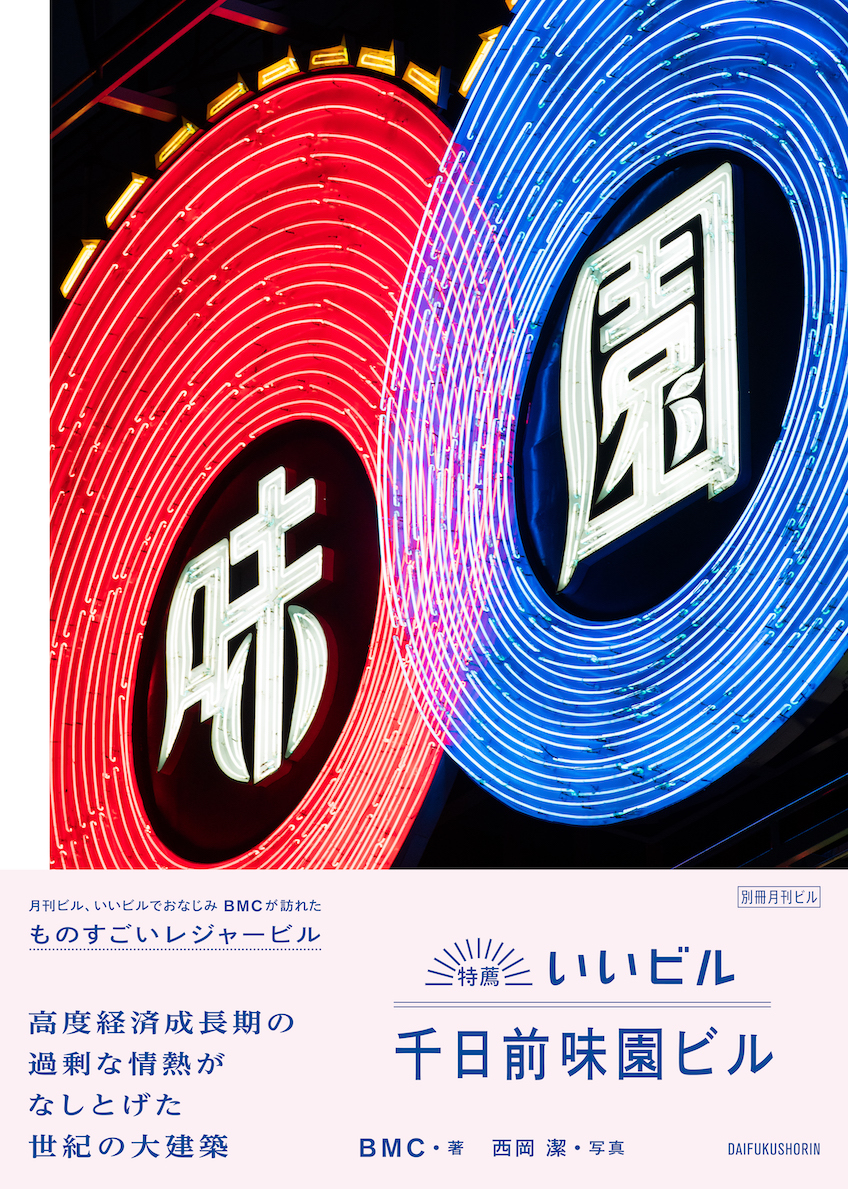
Great Buildings Special Edition: Sennichimae Misono Building
An Osaka landmark located in Sennichimae, Namba, the Misono Building has long been a local drawcard for those seeking the latest in popular culture. This book takes a comprehensive look at the architectural, historical and cultural aspects of this imposing center of nightlife and entertainment whose history is sadly now drawing to a close.
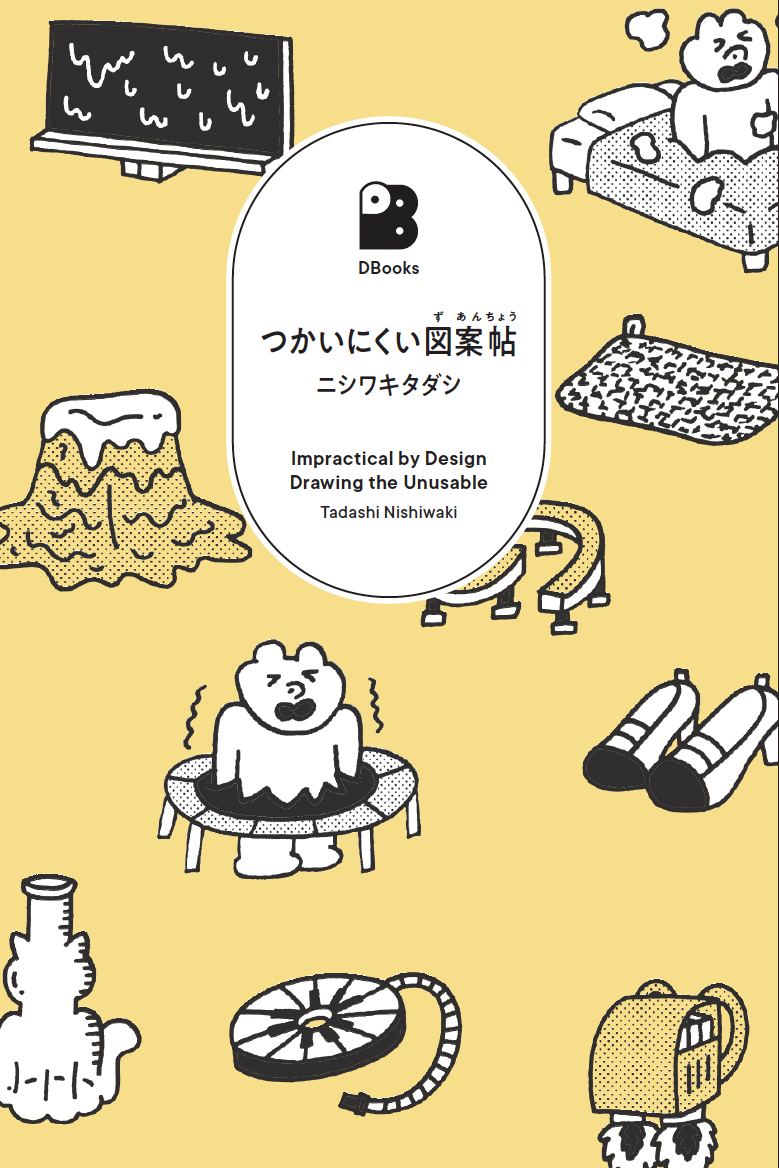
Impractical by Design: Drawing the Unusable
A burning hot bench, a giant robot to remove pilling from clothes… During Japan’s Edo period, edehon art manuals were big business, and such guides are still published today for use in schools and elsewhere. But although what the author proffers here may at first glance fit that format, these drawings are in fact utterly nonsensical, and not remotely useful. Further fun awaits in the clever combination of words and pictures.
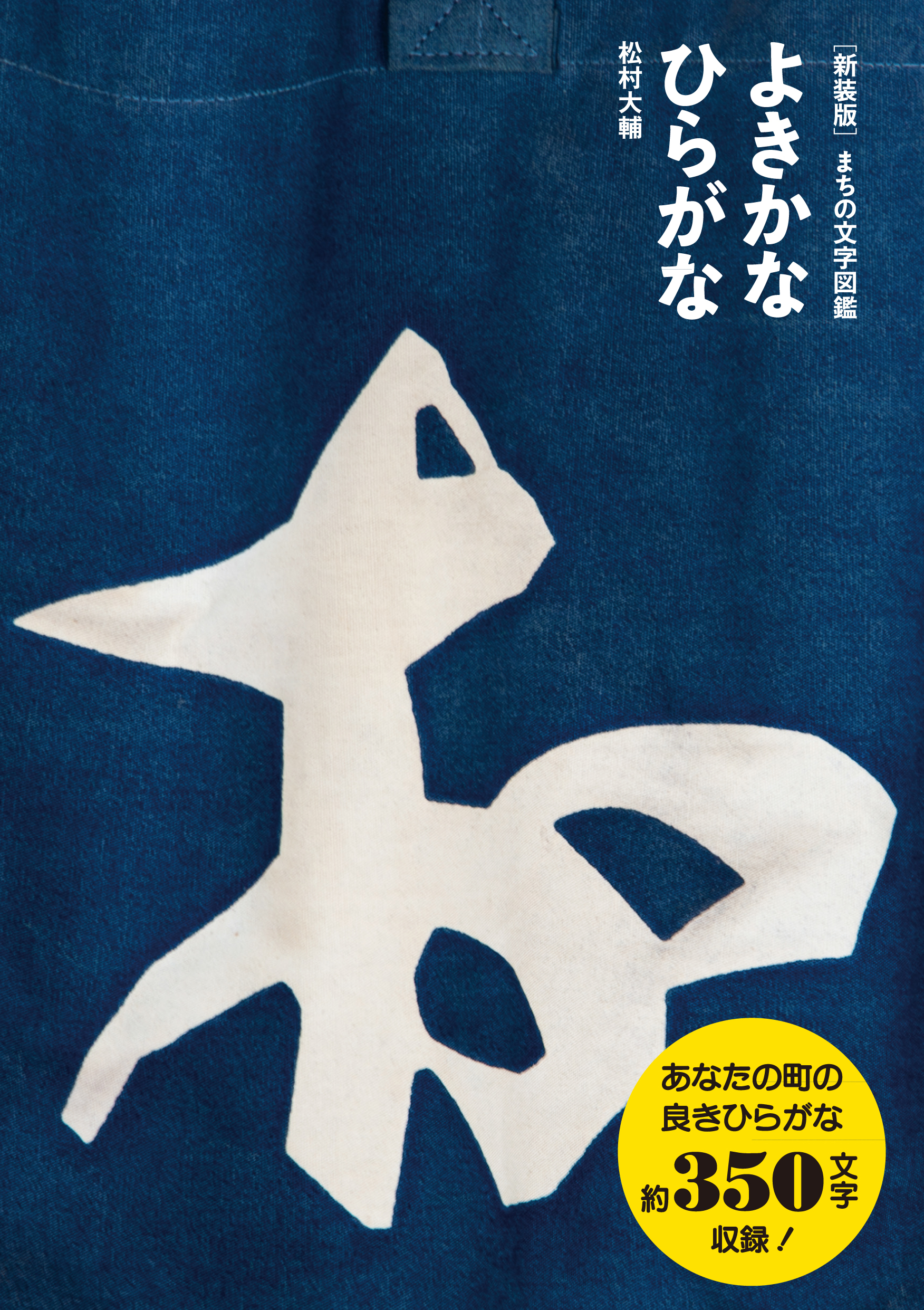
Text on the Street—An Illustrated Guide: Hale & Hearty Hiragana
Advertising boards and shop curtains, street signs and banners: Japanese outdoor signage has a long history, and in form and design has evolved in idiosyncratic ways. Even the advertising hoardings deemed blots on the landscape are increasingly homogenous these days, thanks to the use of computer fonts. But with 350 carefully-curated, quirky hiragana characters from an earlier age, each presented individually from a book designer’s viewpoint, this is a volume that rewards even the most casual reader.
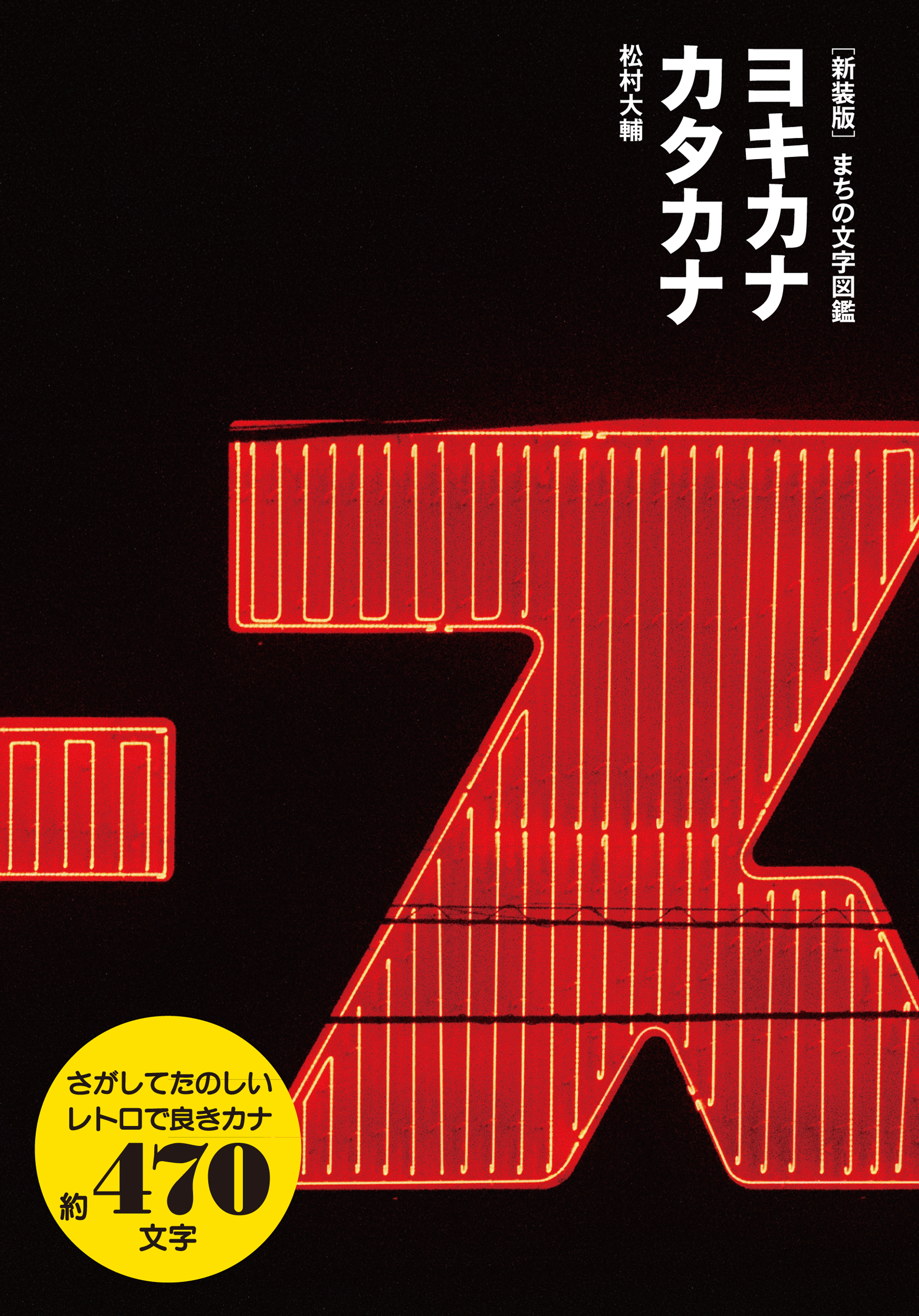
Text on the Street—An Illustrated Guide: Kooky Katakana
Katakana script has been used for centuries to incorporate foreign loan words with their original sounds, meaning that many words written in katakana are new words not originally found in Japanese. Figuring that katakana on outdoor signage is thus more likely than hiragana to express newness or novelty, the author has assembled this collection of photographs that choose and compare multiple versions of each single character from a selection of weird and wonderful signs nationwide. Also includes on-the-job interviews with signwriters and makers of neon signs.
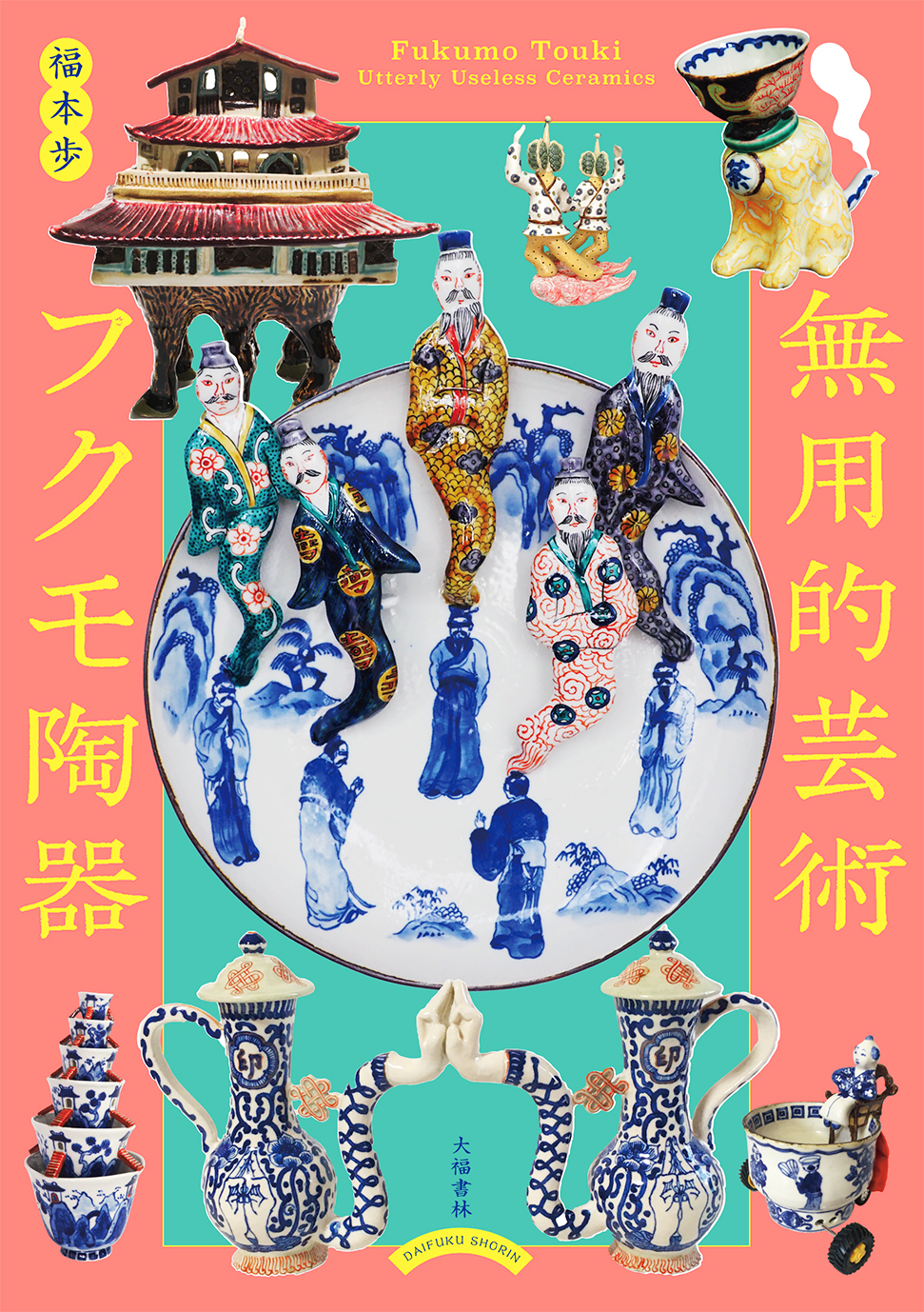
Fukumo Touki, Utterly Useless Ceramics
A catalog of crazy ceramic wares, calculated to confuse the reader with complete tosh. Whether it is smoke spilling from a treasure chest, a rice bowl that runs about carrying a doll, an out-of-body experience from a plate, or a beckoning urn, the teasing tricks of these bad-ass pieces of pottery are finally exposed! Note that while the commentaries are all bogus, the items themselves do actually exist.
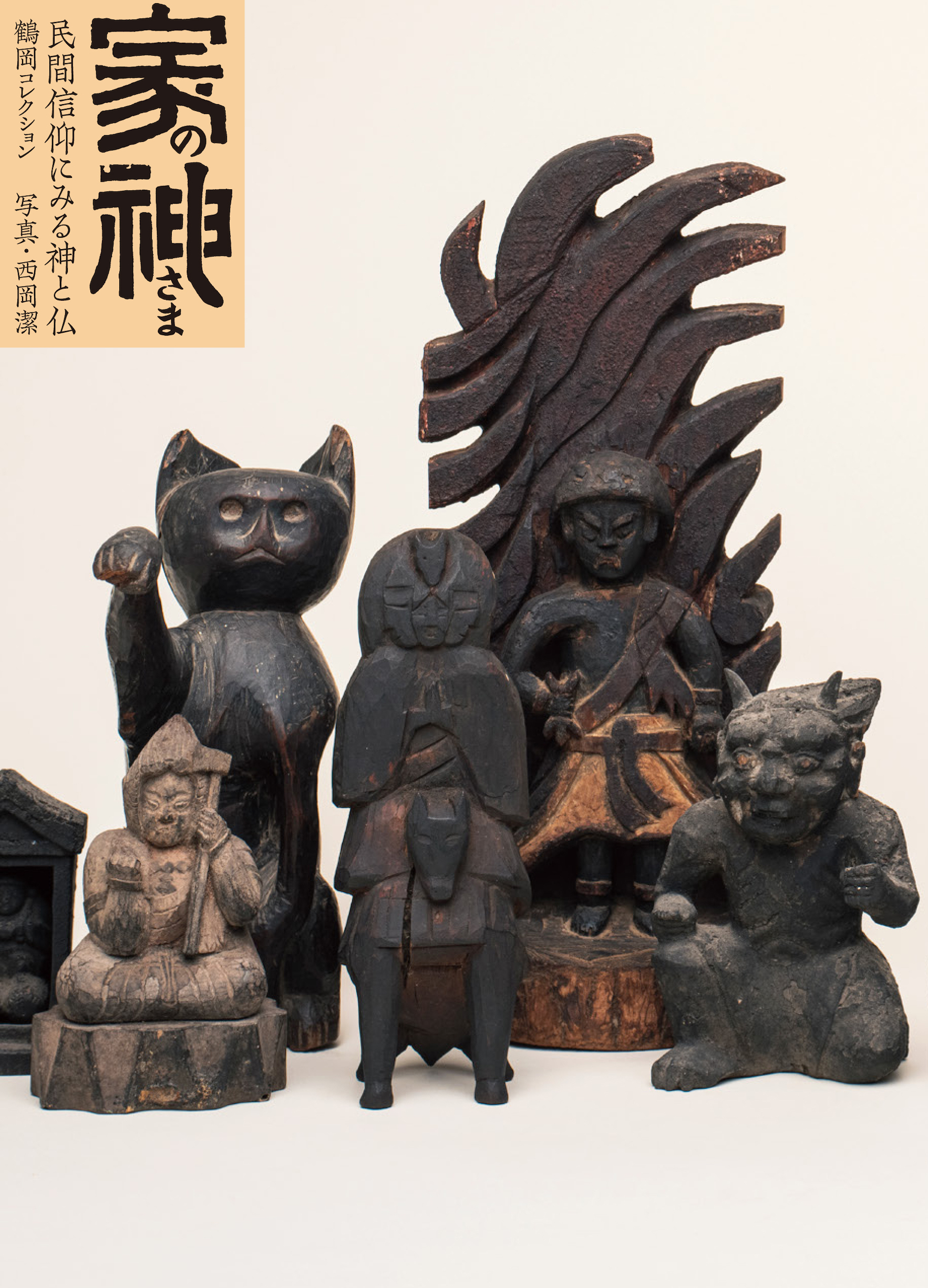
Household Gods: Deities from Folk Beliefs
In Japan, a unique set of beliefs has arisen out of a complex entwining of animism, Shinto, and Buddhism. In this book readers will find not the kind of magnificent Buddhist statues that enjoy National Treasure or Important Cultural Property status, but precious private pieces carved by people who are not professional sculptors of Buddhist images: 145 freewheeling objects of prayer more likely to elicit a smile than reverence, captured in stunning photographs. Also contains a large number of animal deities and “mystery” figures whose identities are known only to their makers.
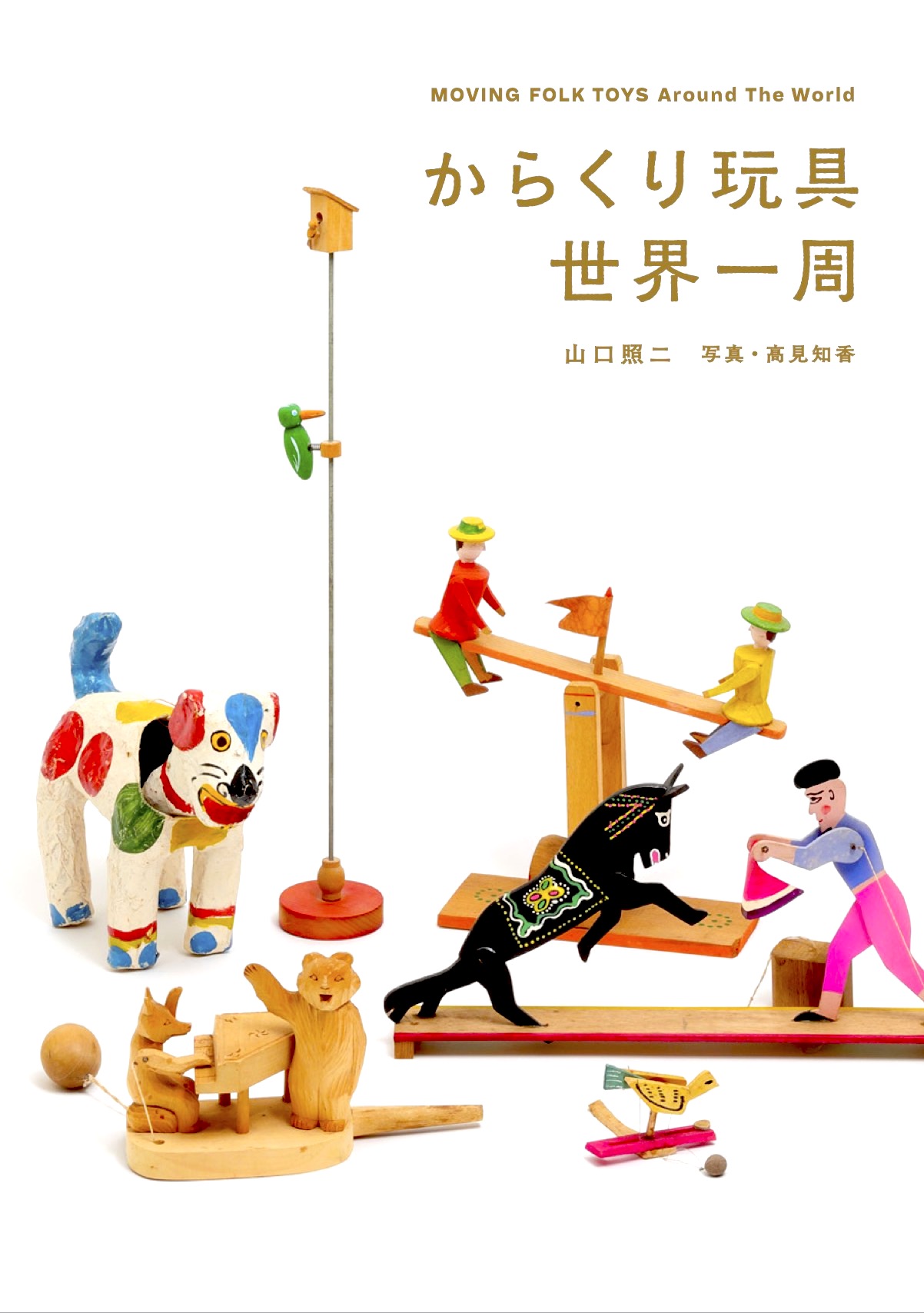
Moving Folk Toys Around the World
This global tour of a type of toy that showcases the skill of the craftsman and is rare in the modern world does not include expensive, complex mechanical toys, or automata such as puppets that serve tea. Instead it highlights the beauty of ingenious moving toys fashioned from affordable, accessible materials like paper and wood. Packed with exquisite examples of the toymaker’s craft from around the world, including priceless Japanese folkcrafts.
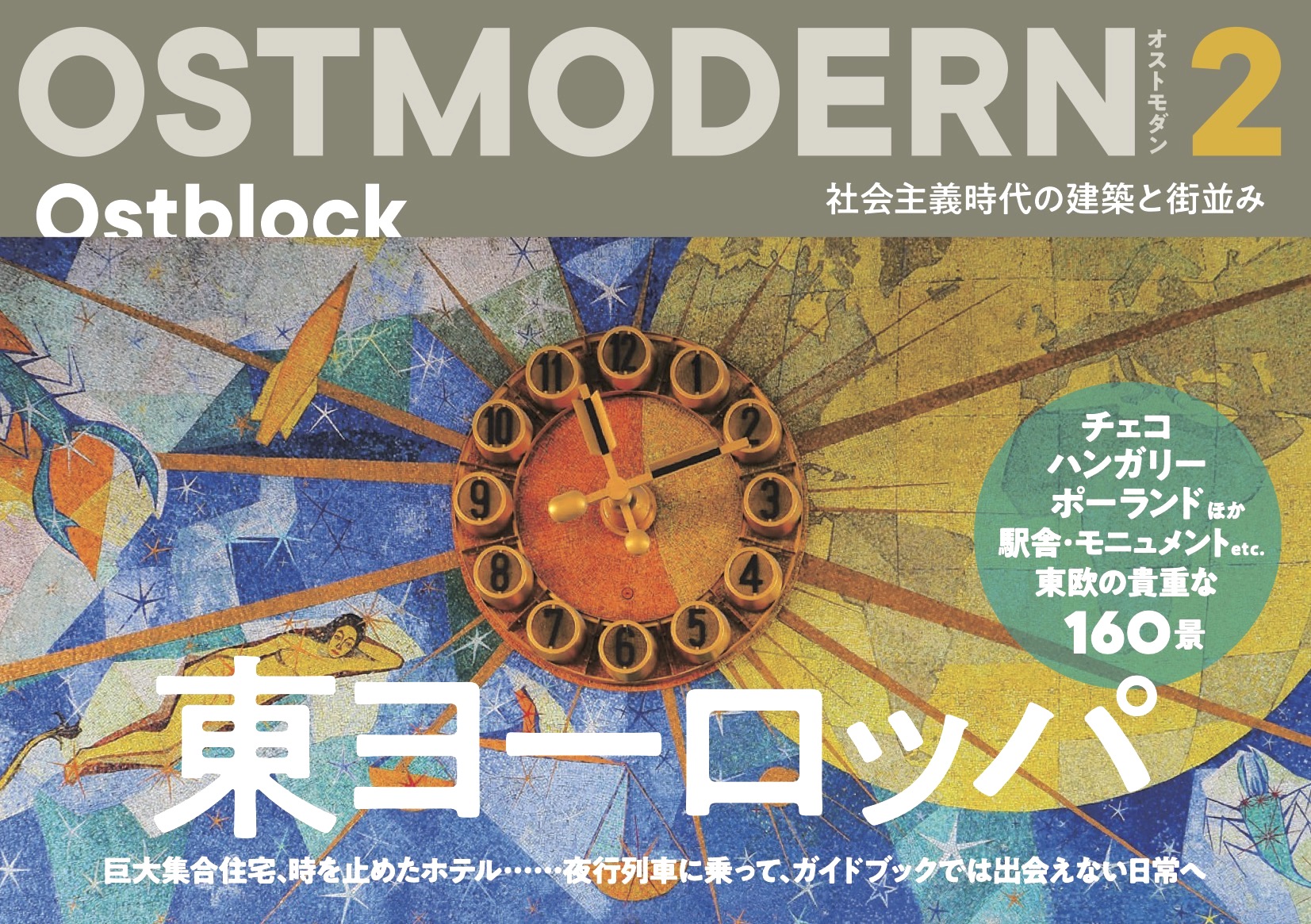
OSTMODERN 2 ostblock
As the decades of a socialist eastern Europe grow ever more remote, this book presents vestiges of the era that even post-democratization still capture its culture and history: from vast housing estates and Interhotels that time forgot, to railway stations, neighborhoods that enjoyed peak prosperity in the postwar years, and monuments, all in striking photographs accompanied by text that also explains specialist terminology.
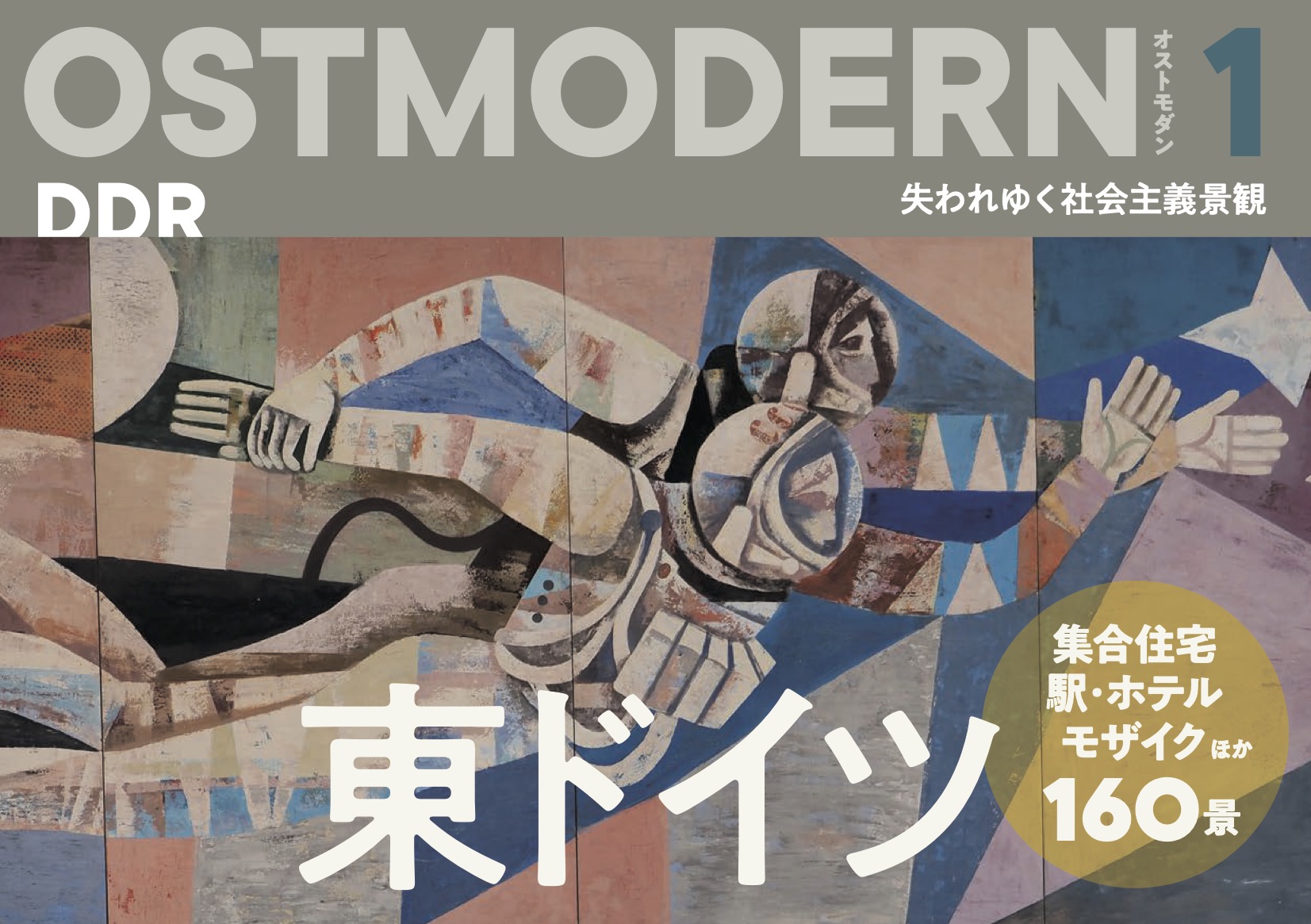
OSTMODERN 1 DDR
A visual feast of places in former East Germany that retain their “Ost (East) + modernist” look. Also serves as a handy guide for visiting living products of socialism registered as cultural assets or saved from demolition due to their artistic merit, as the socialist culture of the past fades in the wake of German reunification.
ENGLISH