
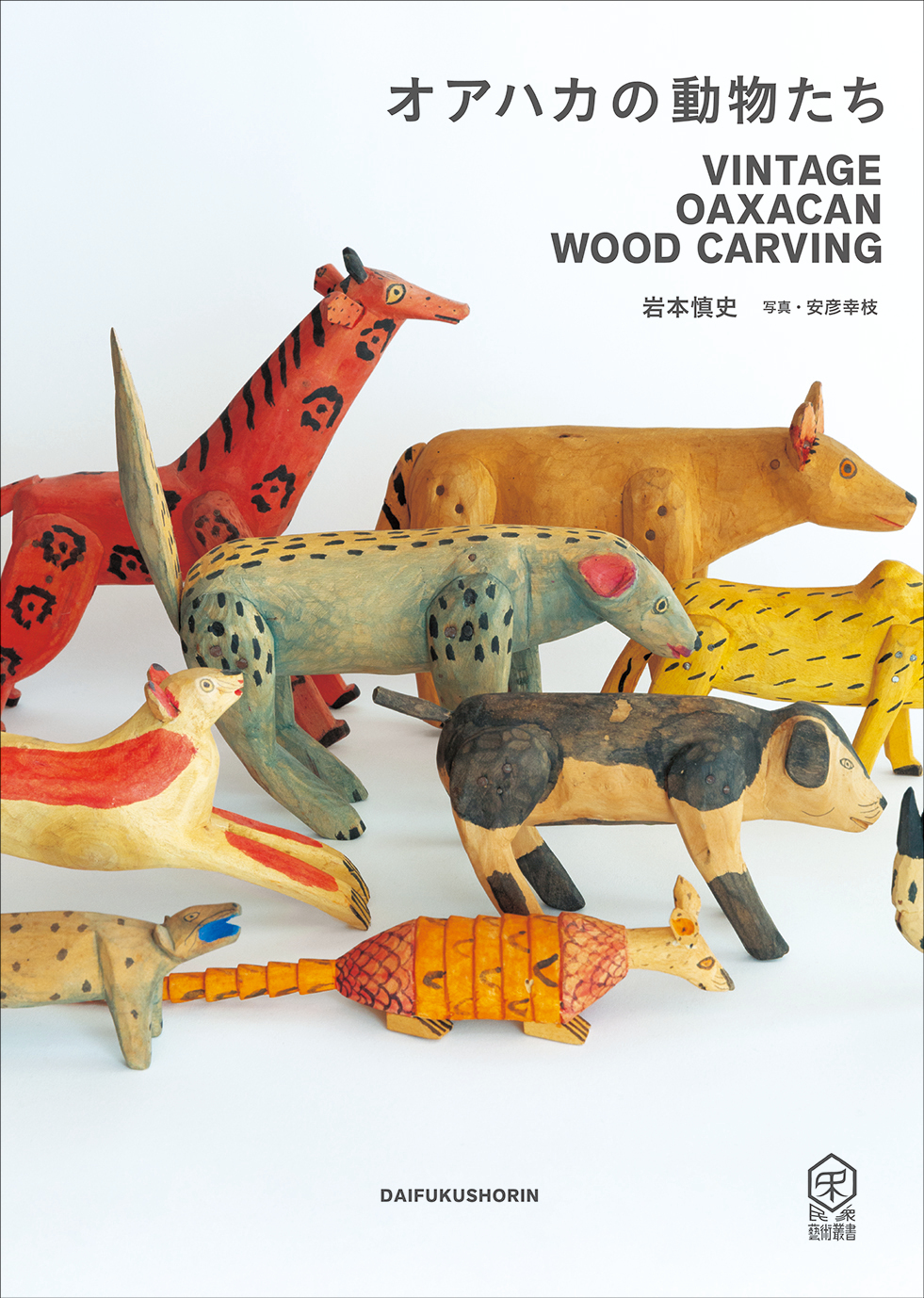
Vintage Oaxacan Wood Carving
The Mexican state of Oaxaca is a treasure trove of handicrafts. In the middle of the 20th century a man started making wooden animals that caught the eye of mid-century designer Alexander Girard, and these figures now constitute Mexico’s preeminent craft item. This book contains 130 creatures, from the collection of the author—seduced by early examples roughly carved with a machete, nailed-on limbs and tails, and the distinctive faded hues of cheap aniline dyes—and in the possession of a leading Japanese artist.
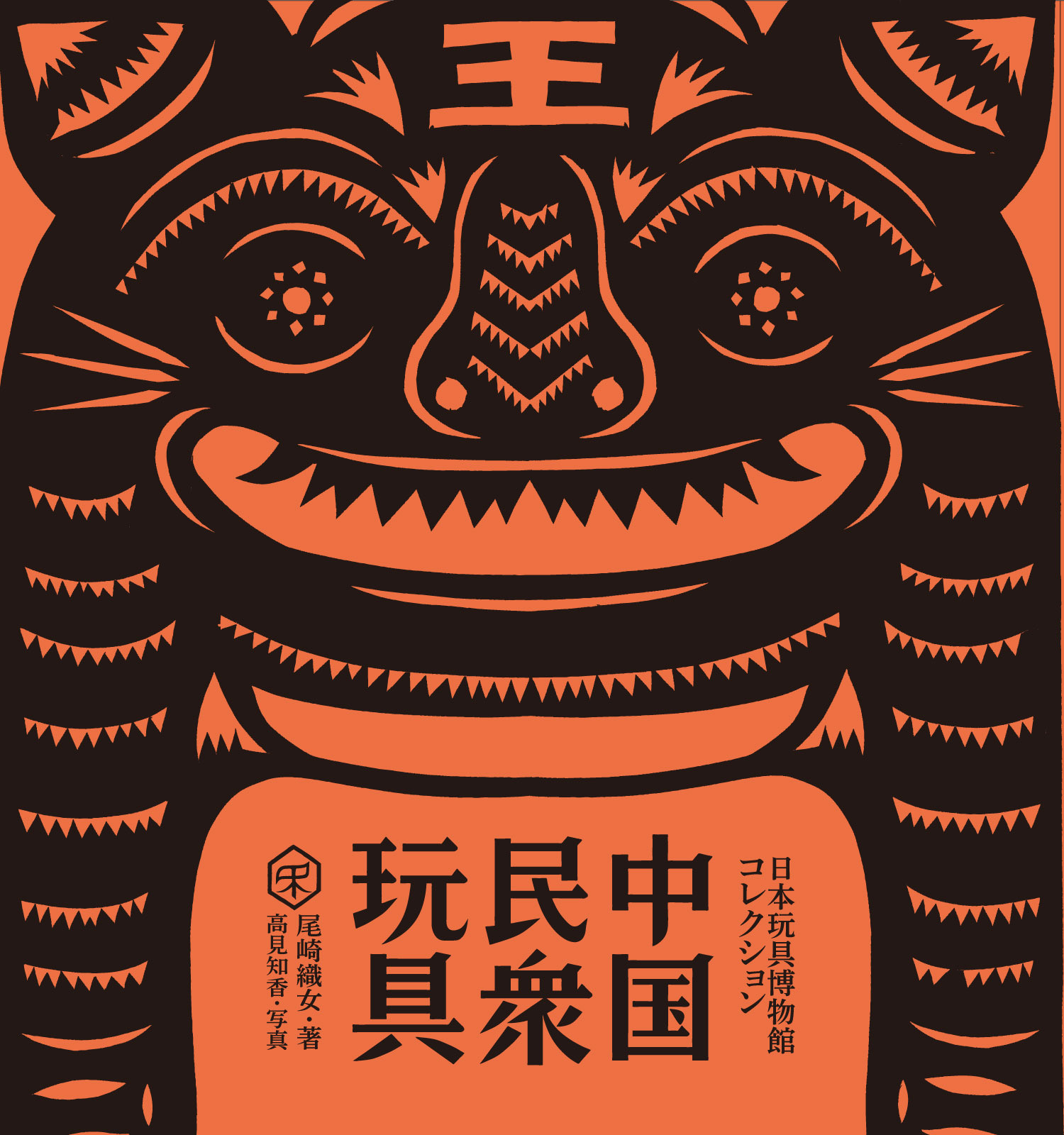
Chinese Folk Toys
This attractively bound photo collection presents rustic toys from across continental China in a broad sweep from northeast to southwest, unpacking the cultural customs of time and place for each item. While it is the vast, valuable collection of toys here, acquired in Manchuria before the war’s end, that catches the eye, the story behind its coming to rest in a small Japanese museum is also a noteworthy tale of people striving to sustain the culture of toys through tumultuous times, and others who struck by the toys’ homespun beauty of form, put heart and soul into researching and collecting these nostalgic pieces.
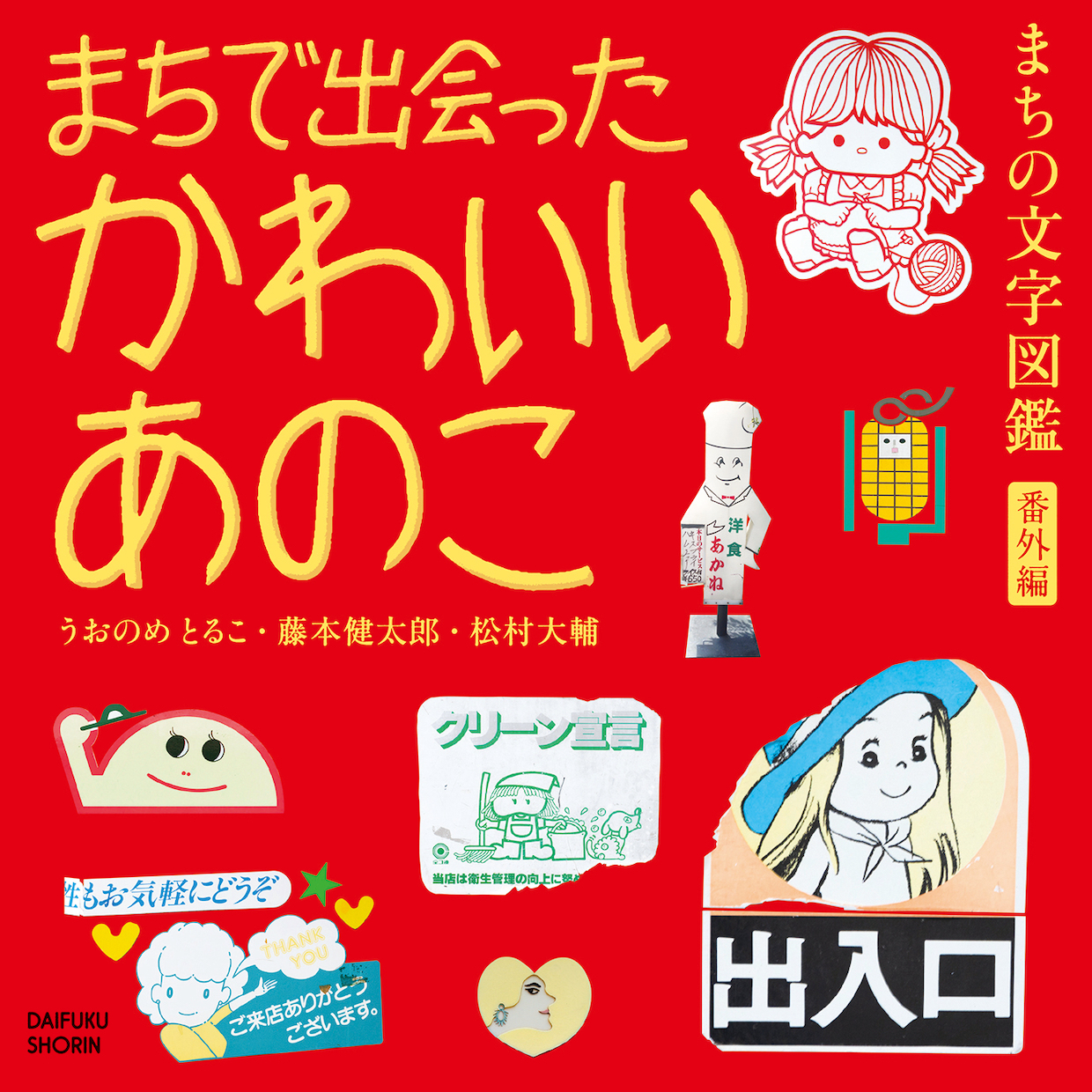
Kawaii Kids on the Block
As familiar works of art seen by passersby for decades, the signboards, banners, neon signs, stickers on shutters and windows, directories etc. of shopping streets and arcades reflect the lifestyle, culture, and society of their times. The authors have taken “kawaii” characters that are not from famous companies, and sometimes even drawn by hand, and arranged these ubiquitous local landmarks in light-hearted categories.
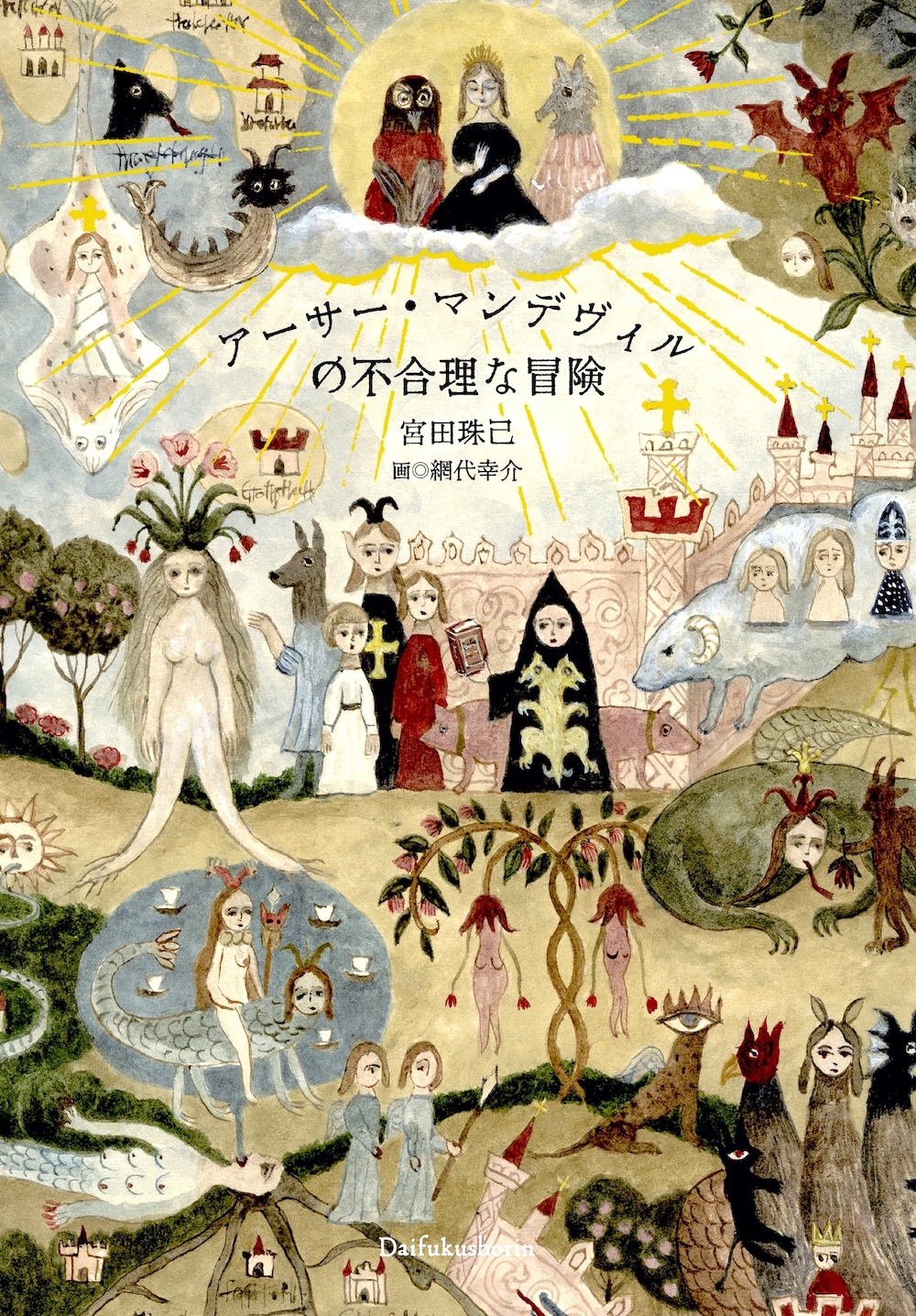
Arthur Mandeville’s Irrational Adventure
Setting out (begrudgingly!) on a fantastic journey...
Around the same time that Marco Polo published his Travels, trickster extraordinaire John Mandeville penned his own travelogue, describing an exotic East he had never in fact visited. Mandeville’s son Arthur was a misanthropic soul who loathed his father and lived a quiet life, until one day he was summoned by the pope and ordered to search for a lost Christian land in the east. Unfortunately the pontiff’s source of information was the late Mandeville Senior’s complete fabrication of a travel journal. Awaiting Arthur were sheep growing on trees, Amazons astride fish, dog-headed people, mandrake roots, monsters... was there actually some truth in the old man’s scribblings?! Dreamlike accordion-fold illustrations by Ajiro Kosuke add even more charm to this fascinating full-length novel.
Around the same time that Marco Polo published his Travels, trickster extraordinaire John Mandeville penned his own travelogue, describing an exotic East he had never in fact visited. Mandeville’s son Arthur was a misanthropic soul who loathed his father and lived a quiet life, until one day he was summoned by the pope and ordered to search for a lost Christian land in the east. Unfortunately the pontiff’s source of information was the late Mandeville Senior’s complete fabrication of a travel journal. Awaiting Arthur were sheep growing on trees, Amazons astride fish, dog-headed people, mandrake roots, monsters... was there actually some truth in the old man’s scribblings?! Dreamlike accordion-fold illustrations by Ajiro Kosuke add even more charm to this fascinating full-length novel.
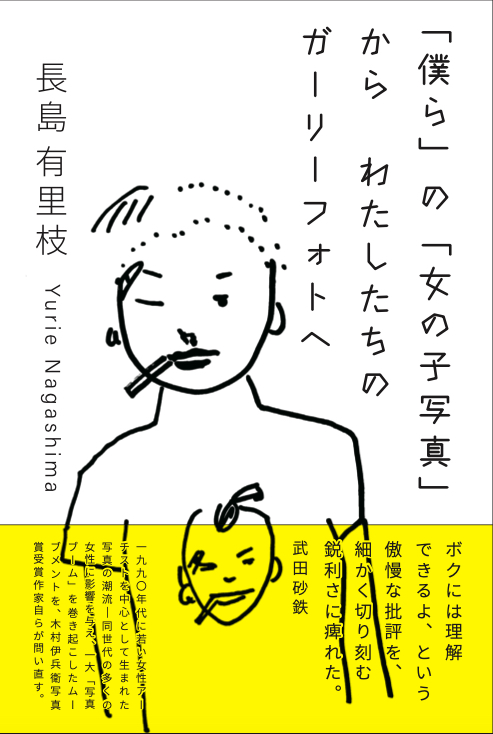
From their “onna no ko shashin” to our girly photo
Nagashima Yurie is a photographer whose CV also includes curating a feminist-themed exhibition at a Japanese art museum. Here Nagashima focuses on the 1990s, when she was the youthful recipient of a major photography prize, to cite examples of sexist discourse directed at women by (chiefly male) critics, examining each individually as she reconsiders the significance of the photography boom generated by women photographers, and the works they produced.
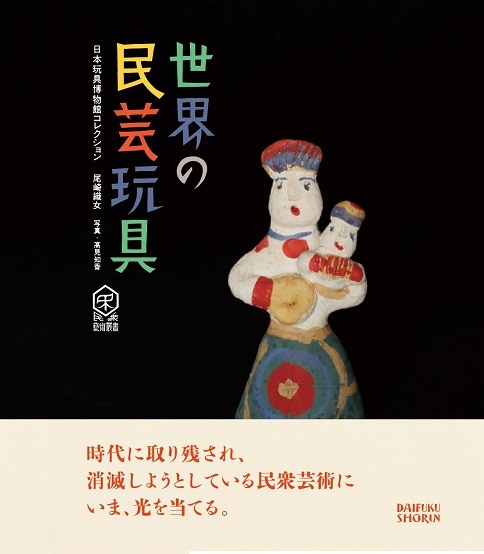
Folk Toys and Dolls from Around the World
This collection of 20th-century folk toys amassed by a private museum in rural Japan with the help of people all over the world includes such gems as a duck money-box crafted in a Mexican pottery village, and an Inuit cup and ball game fashioned from bone. Some of the toys here have common features that can be found across very different countries and regions. Osaki’s book takes readers on a wonderful journey through design cultures of the world, courtesy of a kaleidoscope of expression forged in familiar materials from wood and clay to nuts, straw, palm leaves, gourds and paper.
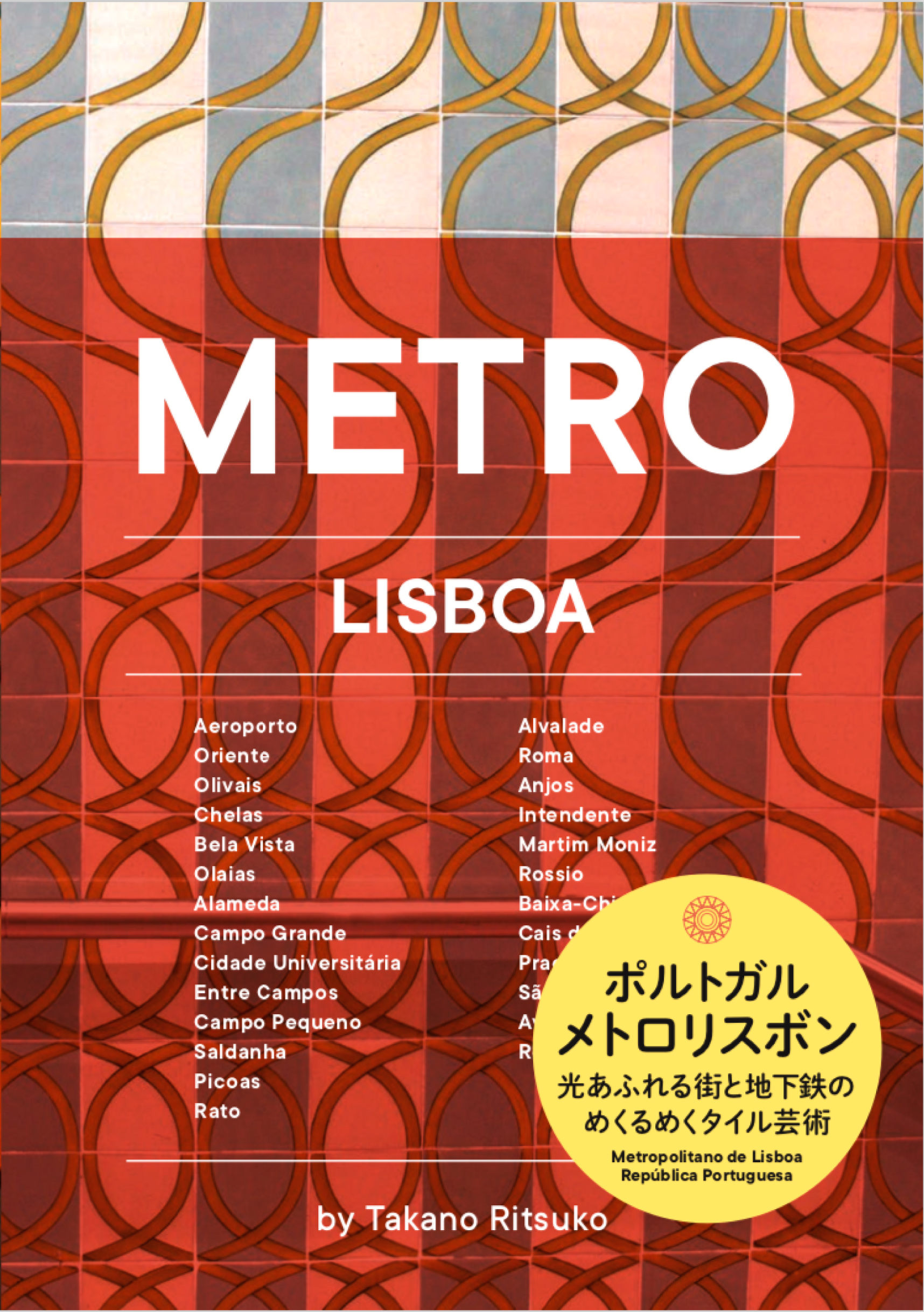
ETRO LISBON
In Portugal’s luminous capital of Lisbon, the metro system completed in 1959 transformed ideas of what the world beneath our feet could look like. This book invites readers on a tour of 26 main stations, and examples of street tiles, in a search for the elaborate azulejo tiling that connects the city back to centuries of Moorish rule. A stunning photo collection showcasing the beauty of a metro system that became a vast gallery, where renowned architects and artists of the era competed to show off their talents.
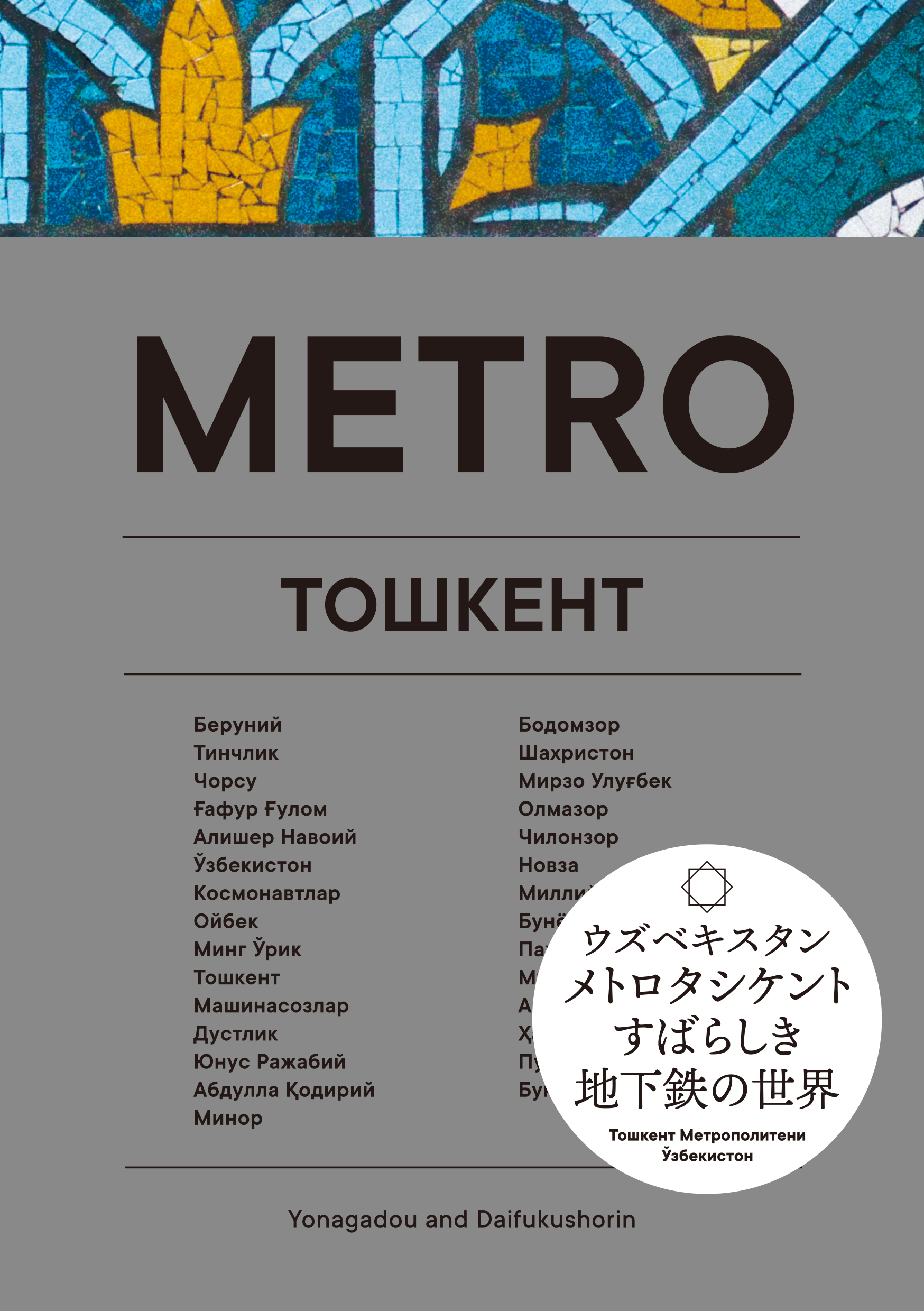
METRO TASHKENT
Beneath the parched plains of Central Asia lies the region’s first underground railway system, built during the Soviet era. A ban on photography until recent years meant that the Tashkent metro, its one-of-a-kind mosaic murals, tiling, stonework, and lighting giving it an air of ornate luxury belying its utilitarian purpose, was little known outside the country. Showcasing Communist-era railway architecture, this book ponders the history of the ancient trading city of Tashkent, and its relationship with Russia and the former USSR.
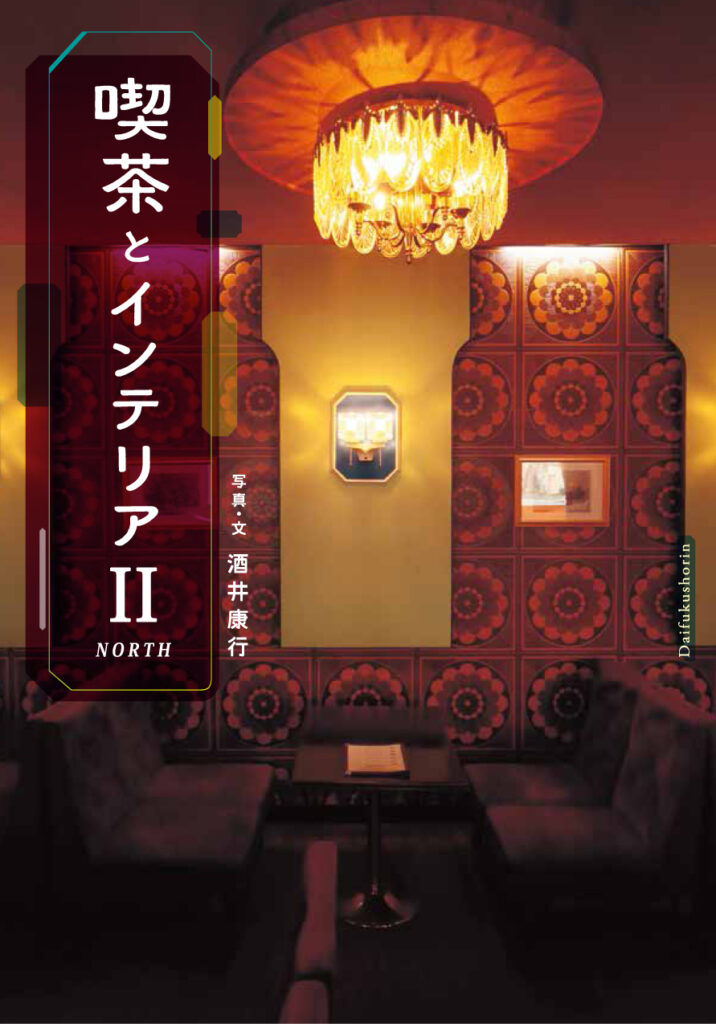
Vintage Japanese Café & Restaurant Interiors: NORTH
The author is a Hokkaido resident and café (kissaten) aficionado who visited Hokkaido coffee shops in 15 towns that have become local institutions in those towns and witnessed the changes there over the decades, meticulously recording the cafe interiors and words of their owners. Weaving in facts on towns that owe their existence variously to coal mining, fishing, hot springs and farming, as he traces the personal histories of the cafe owners Sakai sheds light on a more workaday Hokkaido absent from the tourist brochures.
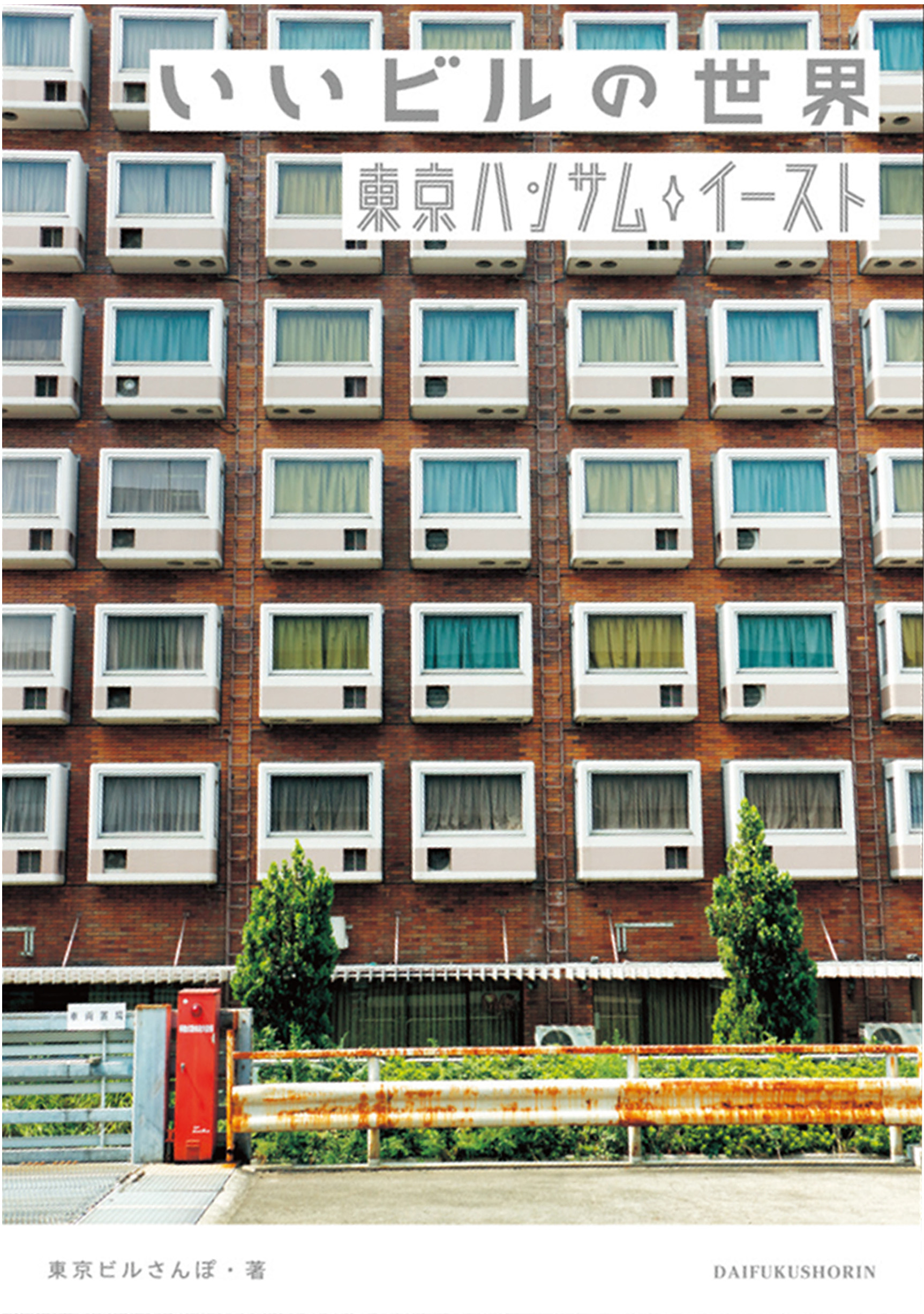
Great Buildings: Tokyo’s Elegant East
A visual journey through the warehouse, retail, financial and residential districts of Tokyo’s east side in search of buildings by lesser-known architects featuring round windows, tiles, grilles, murals and other distinctive mid-century elements. Gradually declining in number due to earthquake risk, these examples of free-wheeling creative building design from Japan’s economic heyday are also products of an era when skilled handwork was still greatly valued.
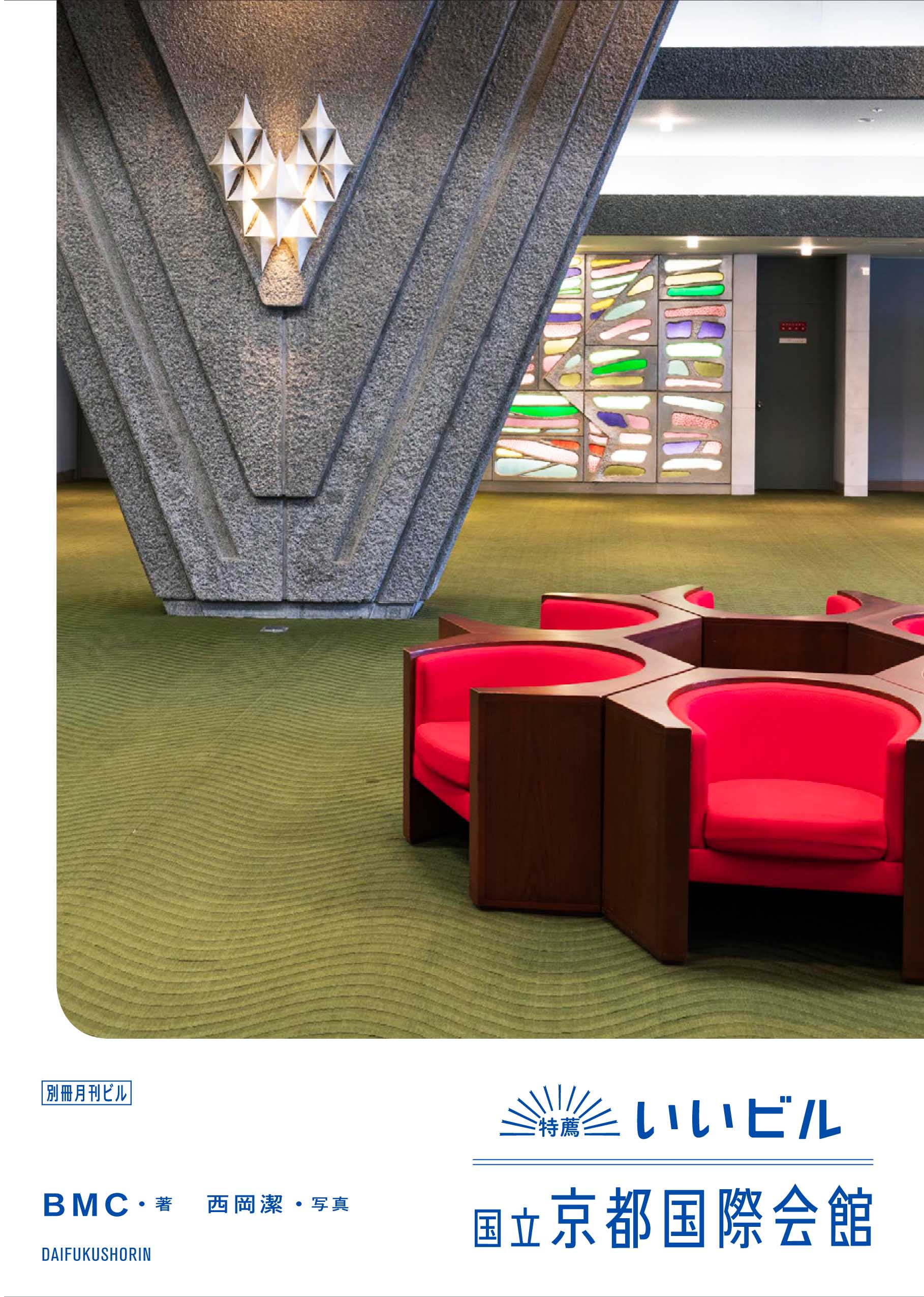
Great Buildings Special Edition: Kyoto International Conference Center
This modernist masterpiece was Japan’s first international conference center. Few are aware that this complex, ingenious assembly of trapezoids and inverted trapezoids, epitome of the kind of overzealous design that characterized the country’s economic boom years, is one of the century’s great pieces of architecture. Features stunning photos by Nishioka Kiyoshi, whose unique building-buff perspective makes this deluxe volume one to savor.
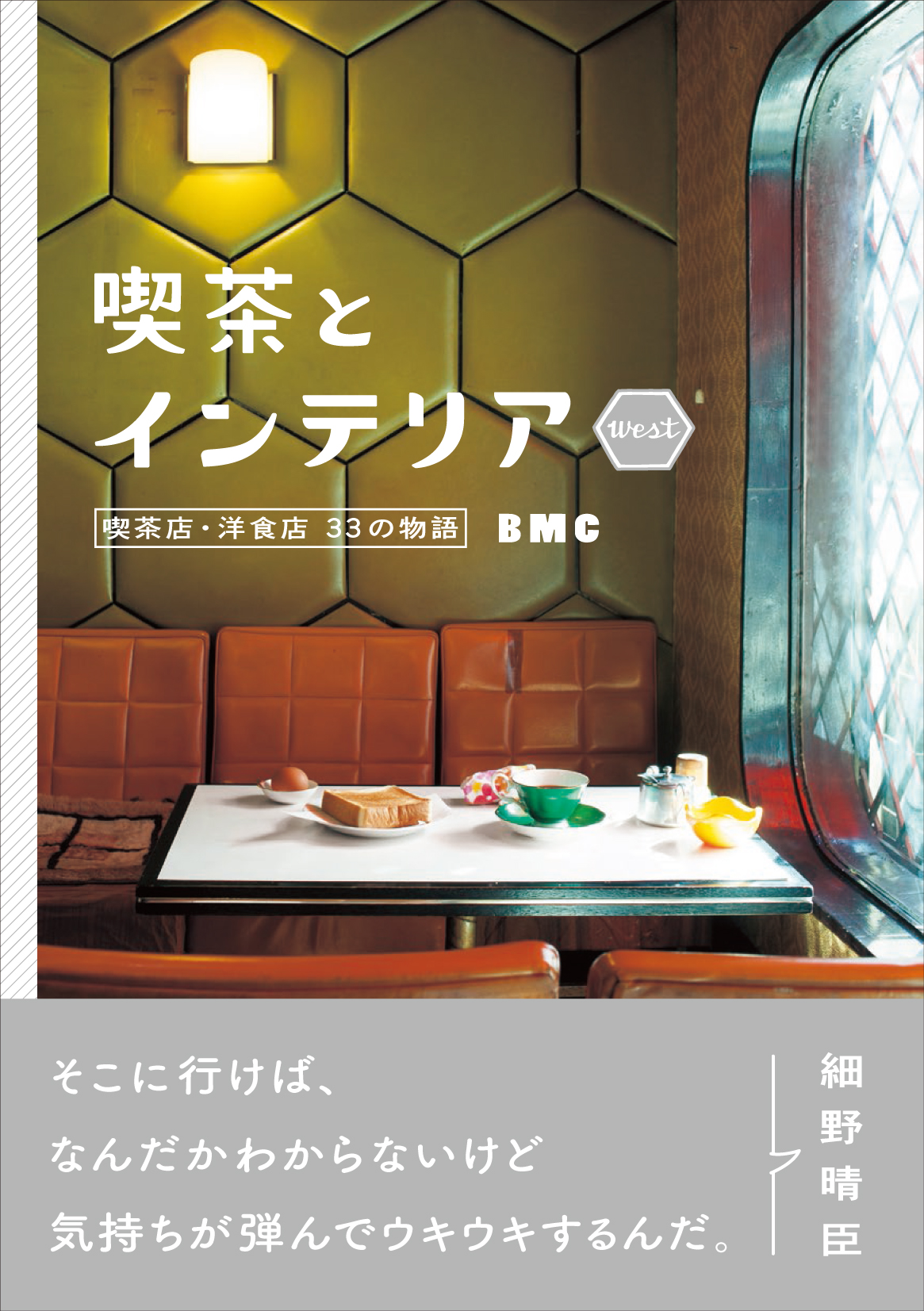
Vintage Japanese Café & Restaurant Interiors: WEST
The years around the 1964 Tokyo Olympics saw an explosion in the number of Western-style cafés (kissaten) across Japan. Those that remain today are distinguished by their architectural and interior attention to detail, and air of vintage sophistication. The sumptuous photos in this book focus solely, for the first time, on the alluring architecture and interior design of these privately-owned Showa-era coffee shops and restaurants.
ENGLISH